Science
The Silent Epidemic
Alarming statistics about diabetes: 25.8 million in the USA.
The Silent Epidemic
Diabetes has become one of the greatest epidemics in modern history. In the United States alone, 25.8 million people live with the disease, and an estimated 79 million more are in a pre-diabetic state without knowing it.
Types of Diabetes
Type 1 Diabetes
An autoimmune condition in which the immune system attacks and destroys the beta cells of the pancreas responsible for insulin production. It represents about 5 to 10% of cases and usually manifests in childhood or adolescence. Requires exogenous insulin for survival.
Type 1.5 Diabetes (LADA)
Latent Autoimmune Diabetes of Adults is frequently misdiagnosed as Type 2. It is an autoimmune form that develops slowly in adults, usually after age 30. Patients initially respond to oral medications but eventually require insulin.
Type 2 Diabetes
Represents 90 to 95% of all cases. It is characterized by insulin resistance — the body produces insulin, but the cells do not respond adequately to it. It is directly related to the modern diet rich in refined carbohydrates, sugar, and processed foods.
Type 3 Diabetes (Alzheimer's)
Researchers have been calling Alzheimer's "brain diabetes" or Type 3 Diabetes. Insulin resistance in the brain prevents neurons from using glucose as fuel, leading to progressive cell death. This discovery opens new perspectives for prevention and treatment.
Gestational Diabetes
Occurs during pregnancy and usually resolves after delivery. However, women who develop gestational diabetes have a significantly higher risk of developing Type 2 later in life.
Prevention and Control
Glucose Monitoring
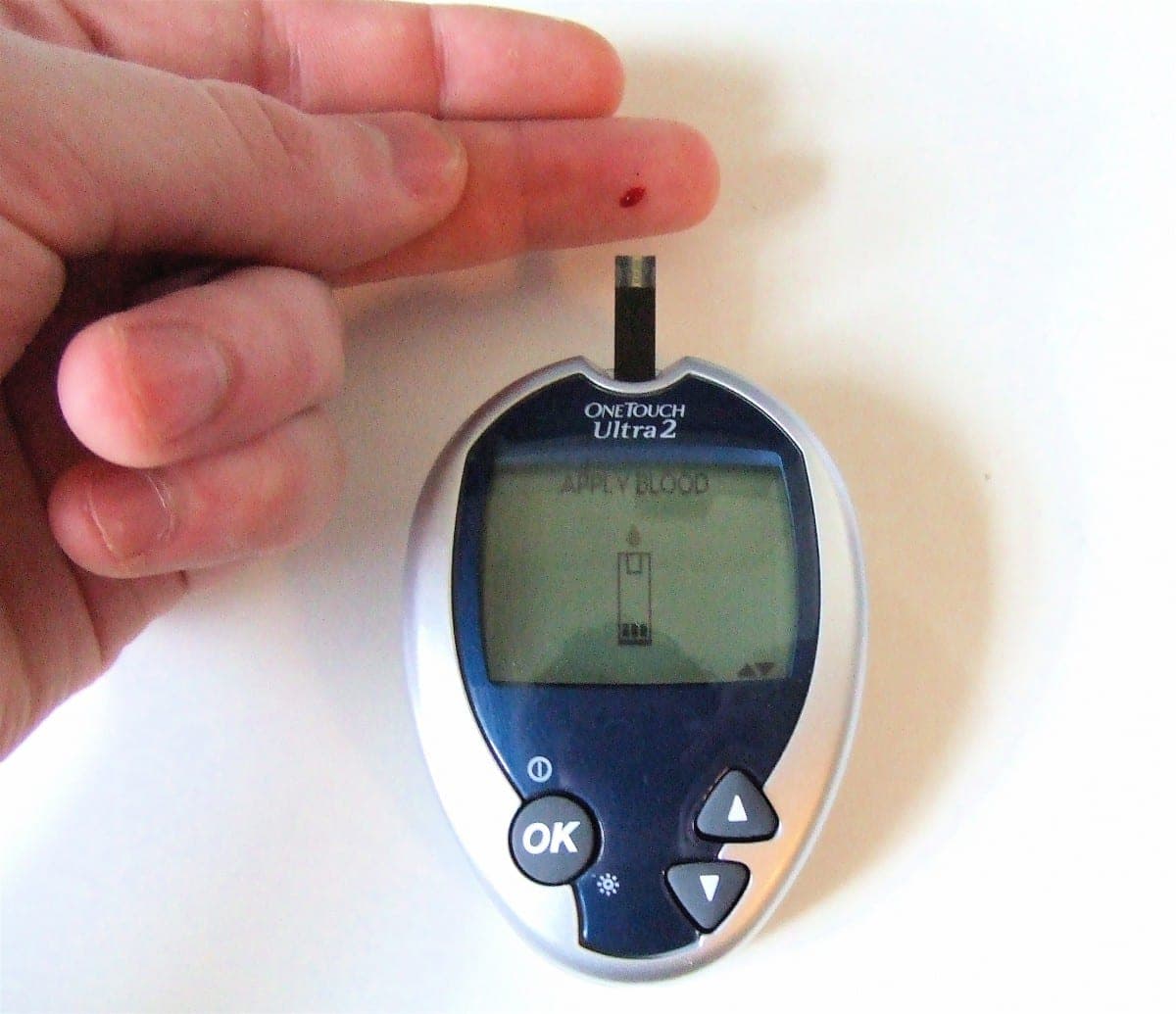
Continuous glucose monitoring is a powerful tool. It allows you to identify exactly which foods cause blood sugar spikes in your body, since the response is individual.
Drastic Carbohydrate Reduction
The most effective strategy for controlling blood sugar is to drastically reduce carbohydrate consumption. This includes not only sugar and sweets but also bread, pasta, rice, potatoes, and high-glycemic fruits.
The Bernstein Protocol
Dr. Richard Bernstein, himself a Type 1 diabetic, developed a protocol that limits carbohydrate intake to just 30 grams per day, distributed as follows:
- Breakfast: 6 grams of carbohydrates
- Lunch: 12 grams of carbohydrates
- Dinner: 12 grams of carbohydrates
Type 2 diabetes is, at its core, a lifestyle disease. And lifestyle diseases require lifestyle changes — not just medications.
The silent epidemic can be reversed. But it requires a fundamental change in how we eat and how conventional medicine approaches this condition.