Science
Are Oats Really That Healthy?
Instant oats undergo industrial processing that damages protein structure.
Are Oats Really That Healthy?
Oats are frequently promoted as one of the healthiest foods in existence. "Reduces cholesterol," "rich in fiber," "great for breakfast" — these are the messages we hear repeatedly. But the reality of modern oats, especially instant oats, is quite different from what marketing suggests.
Industrial Processing
The instant oats we find on supermarket shelves undergo intense industrial processing:
- Hulling: removal of the outer shell
- Toasting at high temperatures: to inactivate enzymes and increase shelf life
- Rolling: grains are flattened between steel rollers
- Steam pre-cooking: to speed up preparation
- Industrial drying: at elevated temperatures
- Cutting: into increasingly smaller flakes for "instant" cooking
What Happens to the Protein?
High-temperature processing denatures oat proteins, altering their three-dimensional structure. Denatured proteins are harder to digest and can generate peptides that irritate the gut.
Furthermore, intense heat promotes the formation of acrylamide, a potentially carcinogenic substance that forms when starchy foods are exposed to high temperatures.
Phytic Acid in Oats
Oats contain significant levels of phytic acid. The problem is that among all grains, oats have one of the lowest amounts of phytase — the enzyme that breaks down phytic acid. This means that:
- Simple soaking in water is not sufficient to significantly reduce phytic acid
- It is necessary to add an acidic medium with external phytase (such as rye flour or buckwheat flour) during soaking
- Industrial processing does not reduce phytic acid
Gluten Contamination
Although oats do not naturally contain gluten, avenin (oat protein) is structurally similar and can cause reactions in gluten-sensitive people. Additionally, most commercial oats are contaminated with wheat gluten during cultivation, harvesting, and processing.
The Beta-Glucan Problem
Oat beta-glucans are the marketing star: "reduces cholesterol!" However:
- The cholesterol-lowering effect is modest (3-5%)
- High cholesterol is not always the real problem (see our article on cholesterol)
- Beta-glucans are soluble fibers that feed both good bacteria and pathogens in a compromised gut
- For people with SIBO (Small Intestinal Bacterial Overgrowth), beta-glucans can worsen symptoms
The Alternative
If you truly wish to consume oats, consider:
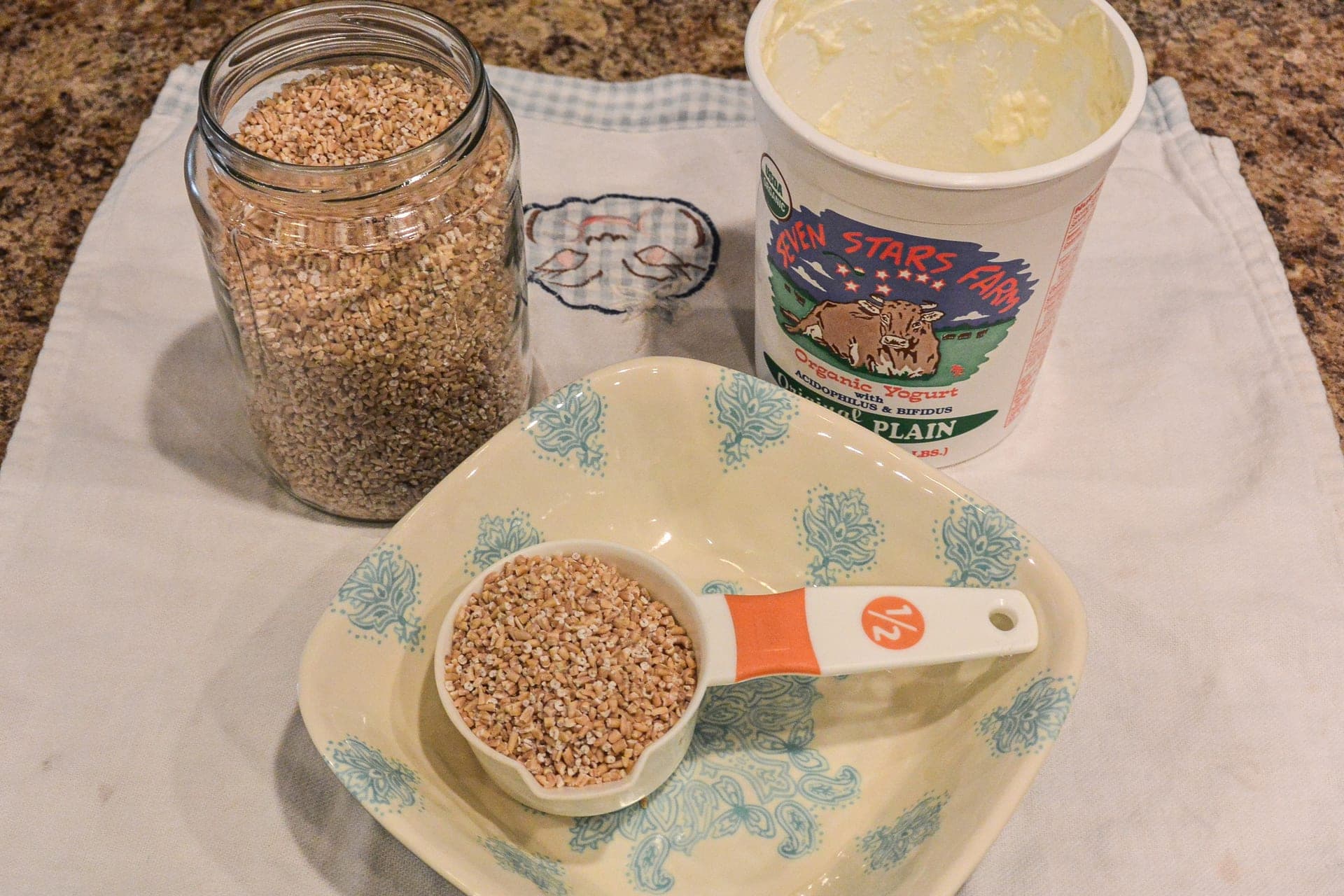
- Using thick-cut oat flakes (not instant)
- Soaking for 24 hours with yogurt whey and a spoonful of rye flour
- Cooking over low heat
- Adding quality fat (butter, ghee)
In the GAPS protocol, oats are not allowed in any phase.
The healthiest food in the supermarket may be the least healthy in your kitchen. Always question what is sold to you as "healthy."