Recipes
Fermented Cream
A pillar of gut reconstruction populated with lactobacillus.
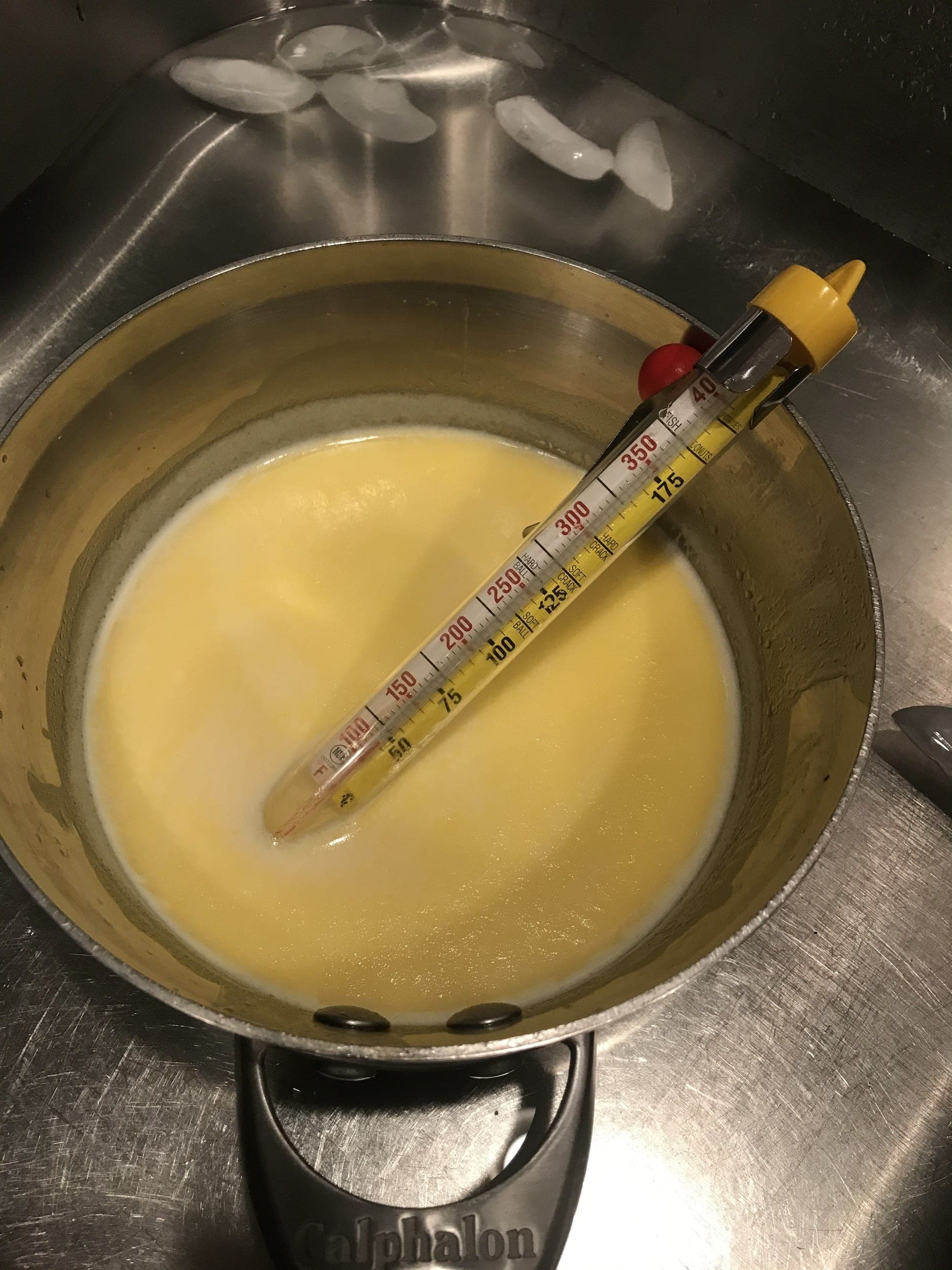
Fermented Cream
Fermented cream is one of the pillars of the GAPS protocol for rebuilding gut health. Rich in healthy fats, populated with lactobacillus and other beneficial microorganisms, it combines nutrition with probiotic power.
What Is Fermented Cream?
Fermented cream (also called homemade sour cream) is fresh cream that undergoes lacto-fermentation. Beneficial bacteria, mainly from the Lactobacillus genus, transform the lactose into lactic acid, resulting in a thick, slightly sour, and extremely nutritious product.
Why Is It a Pillar of the GAPS Protocol?
Fat + Probiotics
The combination of quality fat with probiotics is synergistic:
- Fat protects bacteria from stomach acid, allowing them to reach the gut alive
- Bacteria improve the absorption of fat-soluble vitamins present in the fat (A, D, E, K2)
- Fat nourishes and satiates, while probiotics heal
Pre-digested
Fermentation pre-digests lactose and casein, making the cream tolerable even for many people who cannot tolerate conventional dairy. The bacteria have already done part of the digestive work.
Rebuilding the Intestinal Wall
Butyric acid present in milk fat is the preferred fuel of colon cells (colonocytes). Fermented cream provides butyric acid in abundance, directly feeding the cells that line the large intestine.
Recipe
Ingredients
- 500ml (2 cups) fresh cream (raw cream, if possible)
- 2 tablespoons culture starter (kefir, homemade yogurt whey, or opened probiotic capsules)
Preparation
- The cream should be at room temperature
- Add the starter and mix gently
- Transfer to a clean glass jar
- Cover with cloth or fabric lid
- Let it ferment at room temperature for 12 to 24 hours
- When thick and slightly sour, it is ready
- Cap and refrigerate
Fermented cream lasts 2 to 3 weeks in the refrigerator, and the flavor develops over time.
How to Use in the GAPS Protocol
Phase 1
Start with 1 teaspoon per day, added to warm soup (not boiling). Temperatures above 45°C (113°F) kill the bacteria, so add after serving.
Later Phases
Increase gradually. Fermented cream can be used:
- As an accompaniment to soups and stocks
- On top of cooked vegetables
- As a base for sauces
- In smoothies (in more advanced phases)
- Plain, as a snack
Important Notes
- Always use cream from grass-fed cows, preferably A2 breeds
- If pasteurized cream is the only option, it works, but raw cream is superior
- UHT (long-life) cream is not recommended — it has been ultra-pasteurized and homogenized
- If there is intolerance, wait and reintroduce in a later phase
Fermented cream is food and medicine at the same time. Fat that nourishes, bacteria that heal, flavor that satisfies.