Recipes
Fermentation Equipment
Basic and recommended equipment to start your fermentation journey.
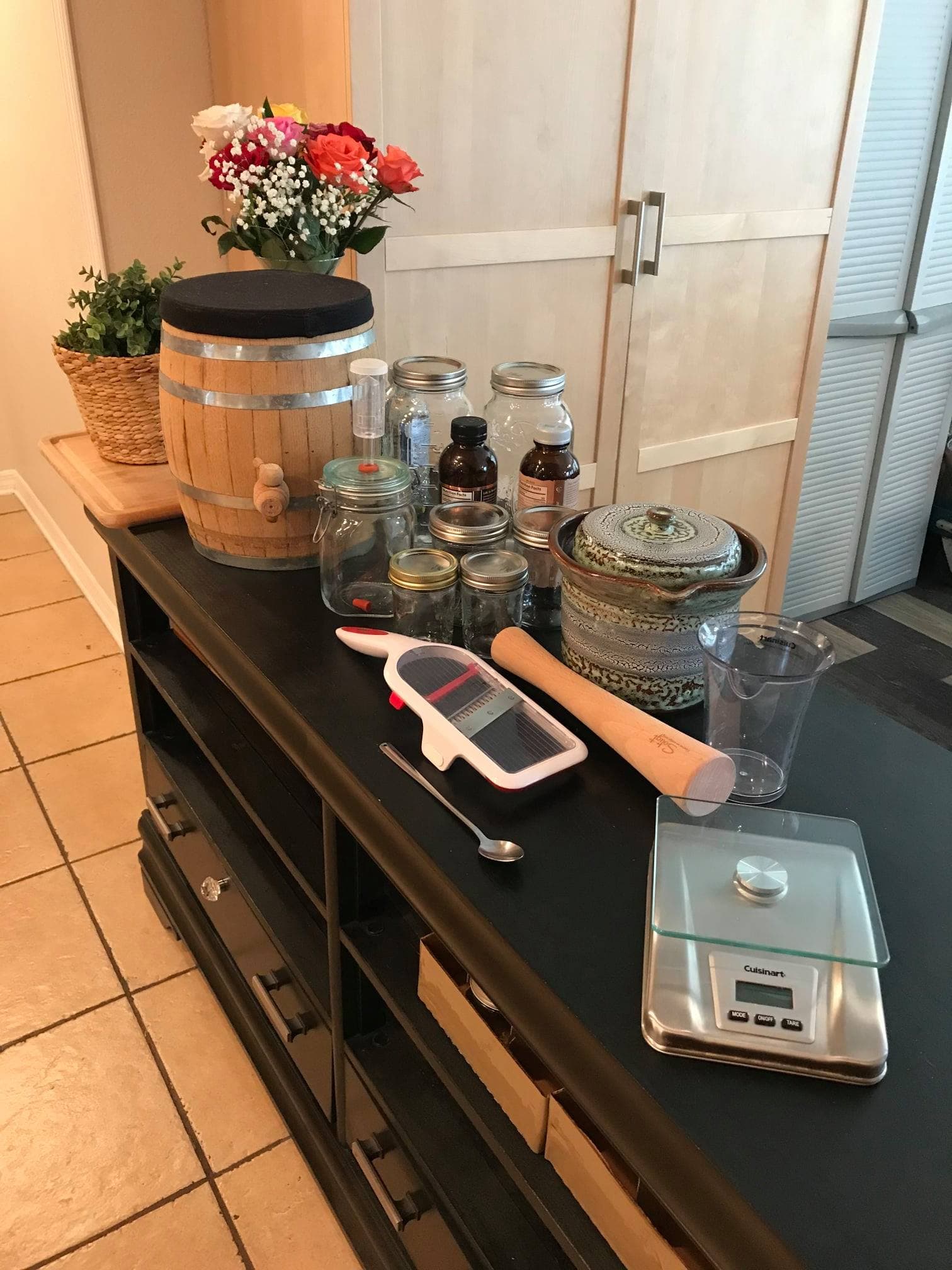
Fermentation Equipment
Fermentation is one of humanity's oldest practices and a fundamental pillar of the GAPS protocol. To get started, you don't need expensive or sophisticated equipment, but certain items make a real difference in the quality and consistency of your fermented foods.
Basic Equipment (Essential)
Glass Jars
Glass is the ideal material for fermentation. It does not react with the acids produced during the process and does not release toxic substances. Wide-mouth jars make handling easier. Recommended sizes:
- 1 liter (1 quart): ideal for tonics (beet kvass, cabbage tonic)
- 2 liters (half gallon): perfect for sauerkraut and fermented vegetables
- 4 liters (1 gallon): for larger batches and yogurt
Never use plastic for fermentation. The lactic acid produced can react with plastic, releasing harmful substances.
Cotton or Muslin Cloths
To cover jars during aerobic fermentations. They allow gas exchange while keeping insects and dust out. Secure with a rubber band around the jar mouth.
Rubber Bands or Twine
To secure cloths over jars.
Cutting Board and Sharp Knife
For preparing vegetables. Prefer wooden or glass cutting boards.
Unrefined Sea Salt
Not exactly equipment, but it is the most important ingredient. Use whole sea salt without additives. Refined salt with iodine can inhibit fermentation.
Recommended Equipment (Makes the Process Easier)
Wooden Pounder or Tamper
Essential for making sauerkraut. Used to pound cabbage and release the juices that create the natural brine.
Fermentation Weights
Glass or ceramic weights that keep vegetables submerged in brine. Keeping foods below the liquid level is crucial to prevent mold.
Airlock Lids
Special lids that allow CO2 to escape without letting air in. Ideal for longer fermentations and for beginners, as they reduce the risk of contamination.
Dehydrator
For activating nuts and seeds. Allows maintaining low, constant temperatures (65°C / 150°F) for extended periods without damaging nutrients.
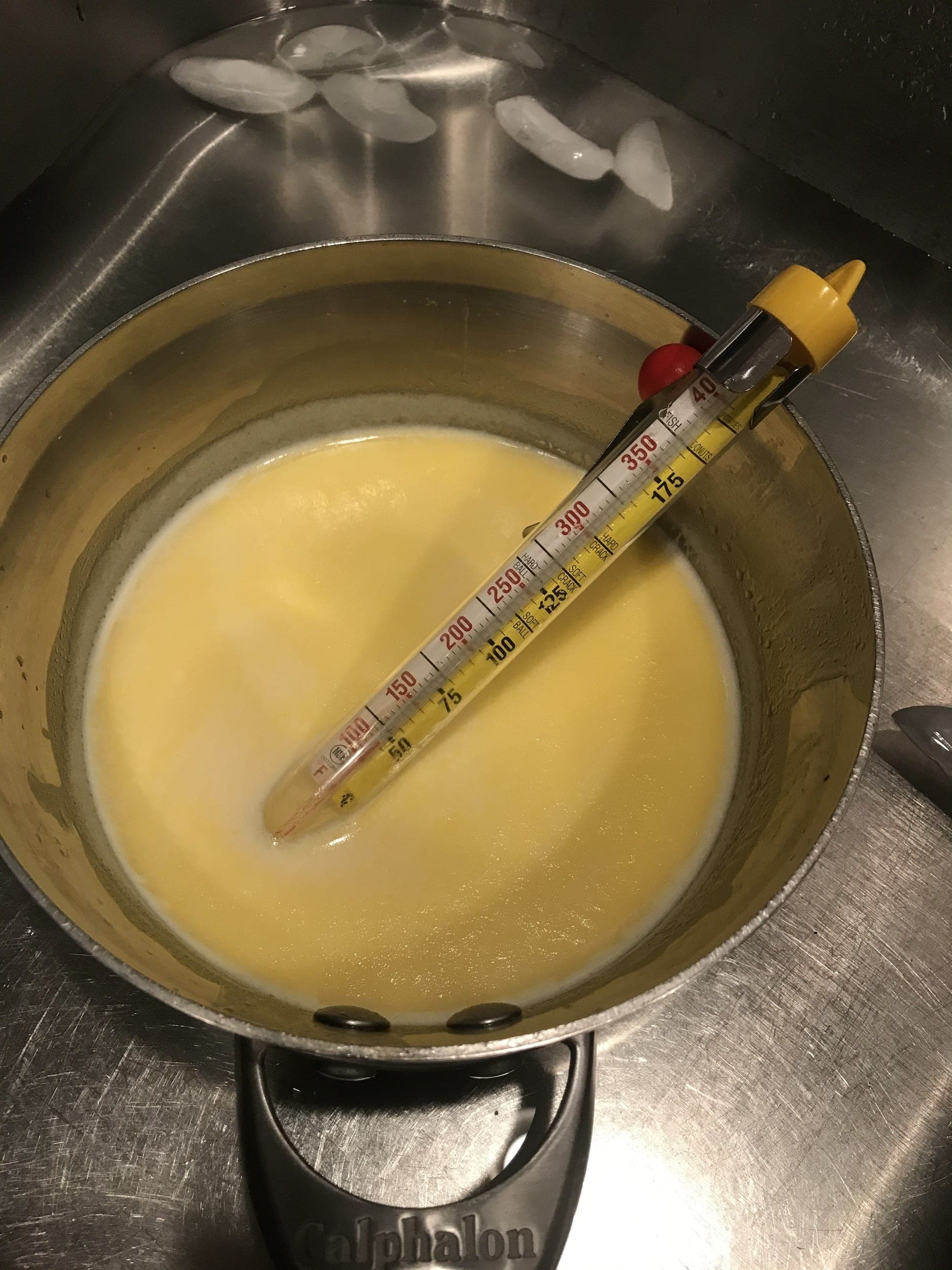
Kitchen Thermometer
For monitoring meat stock temperature and preparations that require specific temperatures.
Grater or Mandoline
For preparing vegetables in thin strips or shreds, increasing surface area and facilitating fermentation.
Wide-Mouth Funnel
Makes it easier to transfer liquids and vegetables into jars without mess.
Final Tip
Start simple. A glass jar, sea salt, and cabbage are all you need to make your first sauerkraut. Over time and with practice, you can add equipment that makes the process easier.